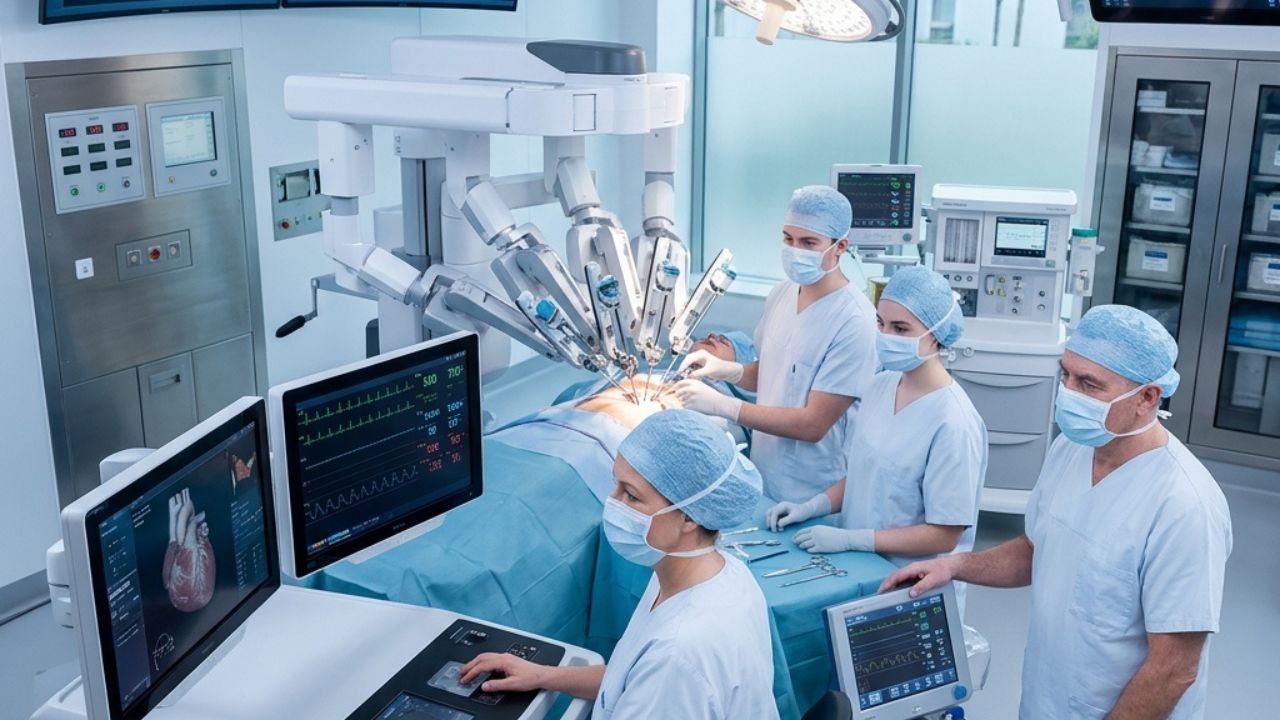
When facing severe cardiovascular conditions, choosing the right medical center is critical. The best hospitals for cardiac surgery—such as the Cleveland Clinic, Mayo Clinic, and Cedars-Sinai—offer exceptionally high success rates, advanced robotic procedures, and specialized cardiac rehabilitation programs. Patients should select a facility based on the surgeon’s operational volume, documented patient outcomes, and the availability of comprehensive postoperative care.
Heart disease remains the leading cause of death globally, affecting millions of individuals and their families every year. From coronary artery disease to complex valve failures, cardiovascular conditions require immediate, precise, and highly specialized medical intervention. While a diagnosis can feel overwhelming, advancements in modern medicine mean that patients now have access to highly effective, life-saving treatments.
Finding the right hospital to perform a cardiac procedure can drastically influence recovery timelines and overall survival rates. Hospitals are not all created equal when it comes to cardiovascular operations. Facilities that handle high volumes of complex heart surgeries generally report lower complication rates and better long-term outcomes for their patients.
This comprehensive guide explores everything you need to know about navigating heart surgery. We will break down common cardiac procedures, explain the exact criteria you should use to evaluate medical facilities, and detail the top five hospitals for cardiac care in the United States. We will also provide actionable advice on preparing for surgery and the questions you must ask your healthcare team before moving forward.
What Are the Main Types of Cardiac Surgery and Heart Care?
Understanding the nature of cardiovascular disease and the procedures designed to treat it is the first step in your medical journey. Cardiac care spans a wide spectrum, from early preventative medication to highly complex open-heart surgeries.
Common Heart Conditions Requiring Surgery
Many cardiovascular issues can be managed with lifestyle adjustments and medication. However, structural failures and severe blockages often require surgical intervention. Coronary artery disease occurs when the blood vessels supplying the heart become narrowed or blocked by plaque buildup. Valvular heart disease involves damage or defects in one of the four heart valves, preventing proper blood flow. Arrhythmias are severe irregular heartbeats that may require implanted devices to regulate the heart’s rhythm. Heart failure, the most critical condition, occurs when the heart can no longer pump enough blood to sustain the body, sometimes necessitating a total heart transplant.
Overview of Common Cardiac Surgical Procedures
Depending on the diagnosis, a cardiac surgeon will recommend a specific procedure.
- Coronary Artery Bypass Grafting (CABG): The most common type of open-heart surgery. Surgeons take a healthy blood vessel from another part of the body and use it to bypass a blocked artery, restoring blood flow to the heart muscle.
- Valve Repair or Replacement: Surgeons repair a faulty valve or replace it with an artificial or biological substitute. Modern techniques now allow for Transcatheter Aortic Valve Replacement (TAVR), a minimally invasive alternative to open-heart surgery.
- Aneurysm Repair: This involves replacing a weakened, bulging section of the aorta with a synthetic graft to prevent a fatal rupture.
- Pacemaker or ICD Insertion: Small devices are implanted under the skin to continuously monitor and correct abnormal heart rhythms.
The Role of Comprehensive Heart Care
Surgery is only one component of cardiovascular health. True heart care encompasses a multidisciplinary approach. This includes cardiologists who manage the disease medically, imaging specialists who pinpoint the exact location of defects, surgeons who perform the necessary corrections, and rehabilitation specialists who guide patients through the recovery process. A hospital that integrates all these disciplines provides a distinct advantage to the patient.
How Should You Choose the Best Hospital for Cardiac Care?
Selecting a hospital for heart surgery requires careful research. Do not rely solely on geographic convenience. Instead, evaluate medical centers based on rigorous, objective criteria.
Expertise and Experience of the Medical Staff
The proficiency of the surgical team is paramount. High-volume surgeons—those who perform a specific procedure hundreds of times a year—consistently achieve better results than those who perform them infrequently. This expertise extends beyond the lead surgeon to anesthesiologists, perfusionists (who operate the heart-lung machine), and cardiac intensive care unit (ICU) nurses.
Advanced Technology and Facilities
Top-tier hospitals invest heavily in medical technology. Look for facilities equipped with hybrid operating rooms, which combine traditional surgical equipment with advanced imaging systems. This allows surgeons to perform complex, minimally invasive procedures with unparalleled precision. The availability of robotic-assisted surgery platforms is another indicator of a hospital’s commitment to cutting-edge care.
Patient Outcomes and Success Rates
Always review a hospital’s patient outcome data. Organizations like the Society of Thoracic Surgeons (STS) provide publicly available ratings for hospitals based on their surgical success rates, complication rates, and patient mortality. Hospitals that earn a three-star rating from the STS are considered elite in their field.
Accreditations and Certifications
Verify that the hospital holds accreditations from recognized medical authorities. The Joint Commission evaluates health care organizations across the United States, and specific certifications for comprehensive cardiac centers indicate a facility meets strict quality and safety standards.
Patient Support and Rehabilitation Services
Recovery from heart surgery requires guided physical therapy and lifestyle education. The best hospitals offer structured cardiac rehabilitation programs that help patients regain their strength, manage medications safely, and adopt heart-healthy diets.
Research and Innovation
Hospitals tied to academic institutions or dedicated research centers often lead the way in clinical trials. Patients at these facilities may gain access to experimental therapies and novel surgical techniques before they become widely available to the general public.
What Are the Top 5 Hospitals for Cardiac Surgery in the US?
While many regional medical centers provide excellent care, a few institutions consistently rank at the top of national lists, such as the U.S. News & World Report rankings, due to their unmatched expertise and surgical volume.
1. Cleveland Clinic (Ohio)
The Cleveland Clinic has held the title of the number one hospital for cardiology and heart surgery in the United States for nearly three decades. Its Sydell and Arnold Miller Family Heart, Vascular & Thoracic Institute is globally recognized for handling the most complex cardiovascular cases.
- Key Specializations: The Cleveland Clinic pioneered coronary artery bypass surgery and leads the world in minimally invasive valve repairs.
- Notable Achievements: The hospital reports some of the lowest mortality rates for heart surgery globally, despite taking on high-risk patients turned away by other facilities.
- Research Contributions: Their researchers continually develop new cardiovascular imaging techniques and lead groundbreaking trials in heart failure management.
2. Mayo Clinic (Minnesota)
Located in Rochester, Minnesota, the Mayo Clinic is renowned for its collaborative, patient-centered approach to medicine. Their Department of Cardiovascular Medicine functions seamlessly with the Department of Cardiovascular Surgery.
- Key Specializations: The Mayo Clinic excels in treating rare heart conditions, pediatric cardiology, and complex structural heart diseases.
- Notable Achievements: They maintain exceptional success rates in heart and lung transplants. Their team-based diagnostic process ensures that patients receive an accurate diagnosis and treatment plan within days.
- Research Contributions: Mayo Clinic is a leader in genomic research, working to understand the genetic markers of heart disease to develop highly personalized treatment protocols.
3. Cedars-Sinai Medical Center (California)
The Smidt Heart Institute at Cedars-Sinai in Los Angeles is a powerhouse for cardiovascular innovation on the West Coast.
- Key Specializations: Cedars-Sinai is a global leader in Transcatheter Aortic Valve Replacement (TAVR) and robotic-assisted mitral valve repair.
- Notable Achievements: They perform more heart transplants annually than almost any other medical center in the United States, boasting excellent survival rates.
- Research Contributions: The institute focuses heavily on women’s heart health, pioneering research to identify how heart disease presents differently in female patients.
4. NewYork-Presbyterian Hospital-Columbia and Cornell (New York)
Operating out of New York City, this institution combines the academic prowess of two Ivy League medical schools: Columbia University and Weill Cornell Medicine.
- Key Specializations: They are highly regarded for pediatric cardiac surgery, complex aortic aneurysm repairs, and the treatment of advanced heart failure.
- Notable Achievements: The hospital has a rich history of surgical firsts, including successful pediatric heart transplants and advancements in mechanical circulatory support devices (LVADs).
- Research Contributions: Their clinical trials frequently focus on bioengineered heart valves and stem cell therapies for regenerating damaged heart tissue.
5. Massachusetts General Hospital (Massachusetts)
As the original and largest teaching hospital of Harvard Medical School, Massachusetts General Hospital (MGH) offers world-class cardiac care within its Corrigan Minehan Heart Center.
- Key Specializations: MGH specializes in treating hypertrophic cardiomyopathy, complex arrhythmias, and conducting high-risk coronary bypass surgeries.
- Notable Achievements: They offer a highly integrated approach, meaning patients benefit from the combined expertise of cardiovascular surgeons, electrophysiologists, and vascular medicine specialists.
- Research Contributions: MGH conducts extensive research into the molecular mechanisms of cardiovascular disease, driving the development of new pharmaceutical interventions.
What Should Patients Expect During Their Cardiac Journey?
The prospect of heart surgery is daunting. Understanding the step-by-step process helps alleviate anxiety and prepares patients for the road ahead.
Initial Consultation and Diagnosis
Your journey begins with a thorough evaluation by a cardiologist. They will review your medical history and order diagnostic tests such as echocardiograms, cardiac catheterizations, or stress tests. Once the data is collected, the cardiologist and a cardiac surgeon will discuss your case and recommend a surgical path.
Pre-operative Preparations
In the weeks leading up to surgery, you will undergo standard preoperative testing, including blood work and chest X-rays. You will meet with the anesthesia team to discuss pain management. Your medical team will also instruct you on which daily medications to stop taking (such as blood thinners) and advise you to cease smoking immediately to reduce surgical risks.
The Surgical Procedure
On the day of the procedure, you will be admitted to the preoperative area. Once in the operating room, general anesthesia is administered so you remain completely unconscious. For traditional open-heart surgery, the surgeon accesses the heart by dividing the breastbone. A heart-lung bypass machine may be used to circulate oxygenated blood through your body while the surgeon works on the stopped heart. Depending on the complexity, surgery can last anywhere from three to eight hours.
Post-operative Recovery and Care
Immediately following the operation, you will be transferred to the Cardiovascular Intensive Care Unit (CVICU). Here, highly trained nurses will monitor your vital signs around the clock. You will likely have breathing tubes, drainage tubes, and intravenous lines in place. As you stabilize over the next day or two, these will be removed, and you will move to a standard cardiac ward. Hospital stays typically range from four to seven days.
Cardiac Rehabilitation and Lifestyle Changes
Discharge from the hospital is only the beginning of recovery. Your doctor will prescribe a cardiac rehabilitation program. This medically supervised program involves structured exercise training, education on heart-healthy living, and counseling to reduce stress. Patients must also commit to dietary changes, prioritizing whole grains, lean proteins, and vegetables while limiting sodium and saturated fats.
Which Questions Must You Ask Your Cardiac Surgeon?
Advocating for yourself is crucial. Before consenting to any procedure, sit down with your surgical team and ask direct questions to ensure you are entirely comfortable with their expertise and the proposed plan.
Questions About Surgical Experience and Volume
- How many times have you performed this specific procedure in the last year?
- What is the hospital’s overall volume for this type of surgery?
- Are you board-certified in thoracic or cardiovascular surgery?
Questions About Success Rates and Complications
- What is your personal success rate for this operation?
- What are the most common complications associated with this surgery, and how often do they occur in your patients?
- What is the expected mortality rate for a patient with my specific health profile?
Questions About Recovery and Rehabilitation
- How long can I expect to stay in the hospital?
- What will my physical limitations be in the first few weeks after returning home?
- Does this hospital provide a dedicated cardiac rehabilitation program?
Questions About Costs and Insurance
- Is this hospital and surgical team considered in-network for my health insurance provider?
- Will there be separate billing from anesthesiologists or other specialists?
What Does the Future Look Like for Cardiovascular Care?
The field of cardiology is advancing at an unprecedented pace, promising safer procedures and faster recovery times for patients in the coming decades.
Emerging Technologies and Surgical Techniques
Minimally invasive and robotic surgeries are becoming the standard of care for many conditions. These techniques utilize small incisions rather than opening the entire chest cavity, resulting in less pain and significantly shorter recovery periods. Artificial intelligence is also being integrated into diagnostic imaging, allowing doctors to detect subtle signs of heart disease years before symptoms manifest.
Personalized Medicine in Cardiology
The future of heart care relies heavily on personalized medicine. By analyzing a patient’s genetic makeup, doctors can predict their susceptibility to certain cardiovascular diseases and determine exactly which medications will be most effective for their unique biology, reducing the trial-and-error approach to prescribing.
Preventive Care Advancements
While surgical techniques improve, the ultimate goal of cardiovascular medicine is prevention. Advancements in wearable technology, such as smartwatches that monitor electrocardiograms (ECGs) in real-time, allow patients to track their own heart health and alert medical professionals to dangerous arrhythmias instantly.
Taking Charge of Your Heart Health
Choosing the right hospital for cardiac surgery is one of the most significant medical decisions you will ever make. By prioritizing hospitals with high surgical volumes, excellent patient outcomes, and comprehensive rehabilitation programs, you give yourself the best possible chance for a successful recovery. Do not hesitate to seek a second opinion or travel to a top-tier facility if your condition is complex. Modern cardiac care offers incredible hope, and with the right medical team, patients can return to active, fulfilling lives following surgery.
Frequently Asked Questions About Cardiac Care
How do I know if I need a second opinion for heart surgery?
You should seek a second opinion if you are diagnosed with a complex or rare heart condition, if your current doctor recommends a high-risk open-heart surgery, or if you feel rushed into making a decision. A second opinion from a high-volume cardiac center can provide alternative, potentially less invasive treatment options.
What is the difference between an open-heart surgery and a minimally invasive procedure?
Open-heart surgery requires the surgeon to make a large incision down the center of the chest and divide the breastbone to access the heart. Minimally invasive heart surgery is performed through small incisions in the right side of the chest, often using specialized instruments or robotics. Minimally invasive procedures typically result in less pain, reduced blood loss, and a faster recovery.
Does insurance cover surgery at top-rated cardiac hospitals?
Most major health insurance plans, including Medicare, cover necessary cardiac surgeries at top-rated hospitals. However, coverage depends entirely on your specific insurance network. Always contact your insurance provider and the hospital’s billing department before the procedure to confirm in-network status and understand your out-of-pocket costs.
How long does it take to fully recover from cardiac surgery?
Recovery timelines vary based on the procedure and the patient’s overall health. Patients recovering from minimally invasive surgeries may return to normal activities within three to four weeks. Traditional open-heart surgery recovery generally takes six to twelve weeks. Full physical and emotional recovery, aided by a cardiac rehabilitation program, can take several months.