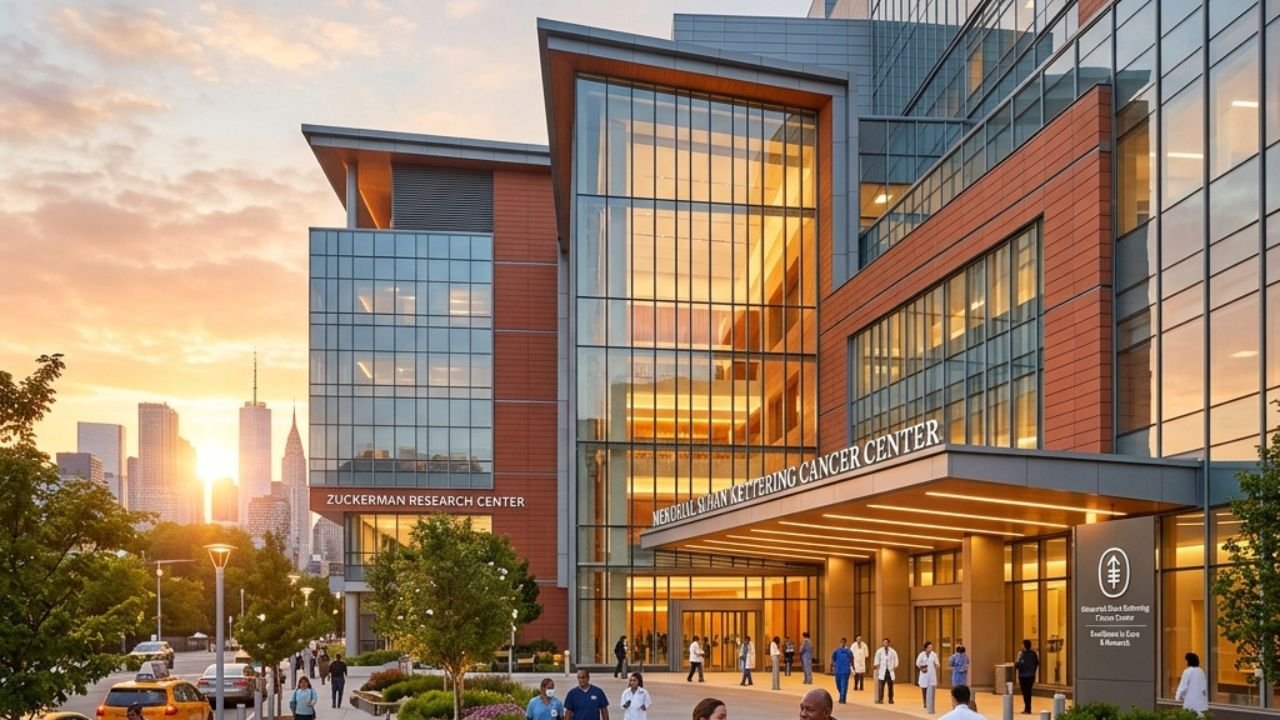
The top-ranked cancer hospitals in the USA include Memorial Sloan Kettering Cancer Center, MD Anderson Cancer Center, Mayo Clinic, Dana-Farber Cancer Institute, and Cleveland Clinic. These institutions consistently rank highest due to their advanced treatment technologies, groundbreaking clinical trials, specialized oncology expertise, and exceptional patient survival rates.
A cancer diagnosis brings a wave of complex decisions, and choosing where to receive treatment is one of the most critical choices a patient will make. With over 1.9 million new cancer cases diagnosed annually in the United States, the demand for specialized, high-quality oncology care remains immense. Selecting a top-ranked hospital provides access to multidisciplinary teams, cutting-edge therapies, and clinical trials that are often unavailable at smaller, regional facilities.
While local hospitals provide excellent baseline care, specialized cancer centers dedicate their entire infrastructure to fighting the disease. These institutions house researchers and clinicians working side-by-side to translate laboratory discoveries into direct patient treatments. For rare or complex cancers, this level of focused expertise dramatically improves clinical outcomes and patient survival rates.
How do organizations rank the best cancer hospitals?
Understanding how hospitals earn their prestigious rankings helps patients make informed decisions about their care. Leading ranking organizations, such as U.S. News & World Report, utilize rigorous methodologies to evaluate thousands of medical centers across the country.
These organizations look heavily at objective patient outcomes. This includes analyzing survival rates 30 days after admission, the success of complex surgeries, and the frequency of patients being discharged directly to their homes rather than to other care facilities. A hospital’s volume of high-risk patients also factors in, as treating a larger number of complex cases typically builds greater institutional expertise.
Beyond patient outcomes, rankings evaluate the quality of a hospital’s technology, research funding, and specialized staff. Facilities that secure substantial grants from the National Cancer Institute (NCI) and offer comprehensive patient services—like on-site palliative care, genetic testing, and specialized nursing programs—score higher. Reputation among board-certified oncologists also plays a distinct role, reflecting the level of peer respect a facility commands nationwide.
Which facilities are the top-ranked cancer hospitals in the USA?
Several institutions consistently dominate national rankings due to their unwavering commitment to oncology research and patient care. Here is a detailed look at the leading cancer centers in the country.
Memorial Sloan Kettering Cancer Center (New York, NY)
Memorial Sloan Kettering Cancer Center (MSKCC) stands as one of the oldest and largest private cancer centers in the world. Located in New York City, MSKCC focuses exclusively on cancer, allowing its specialists to develop deep expertise in highly specific tumor types.
The center is globally recognized for its innovative treatments, particularly in pediatric oncology, bone marrow transplantation, and targeted radiation therapies. MSKCC researchers consistently lead breakthrough clinical trials, offering patients access to experimental drugs years before they receive FDA approval. Furthermore, MSKCC prioritizes patient-centered care through comprehensive support services, including integrative medicine, psychological counseling, and survivorship programs designed to help patients navigate life after treatment.
MD Anderson Cancer Center (Houston, TX)
The University of Texas MD Anderson Cancer Center is frequently cited as the number one cancer hospital in the United States. Its sheer size and patient volume mean that its doctors treat more rare cancers in a single day than many physicians see in an entire career.
MD Anderson champions a multidisciplinary approach to treatment. A newly diagnosed patient will often meet with a dedicated team of medical oncologists, radiation therapists, surgical oncologists, and pathologists who collaborate to design a unified, personalized treatment plan. The institution’s global impact is massive, leading global research networks and heavily influencing standardized cancer treatment protocols worldwide.
Mayo Clinic (Rochester, MN; Phoenix, AZ; Jacksonville, FL)
The Mayo Clinic operates on a unique, highly integrated care model that prioritizes seamless collaboration across all medical specialties. With major campuses in Minnesota, Arizona, and Florida, the Mayo Clinic provides comprehensive cancer care closely linked to its other top-ranked medical departments.
This integrated approach proves especially vital for cancer patients with complex preexisting conditions, such as heart disease or diabetes. Mayo Clinic physicians cross-consult efficiently, often providing patients with comprehensive diagnostic results and treatment plans within days. The institution also places a massive emphasis on patient experience, ensuring that care is delivered with deep compassion and respect for the individual’s time and well-being.
Dana-Farber Cancer Institute (Boston, MA)
Located in Boston, the Dana-Farber Cancer Institute is uniquely structured to accelerate the translation of laboratory discoveries into clinical practice. Dana-Farber maintains a close collaborative clinical care agreement with Brigham and Women’s Hospital, allowing it to provide unparalleled surgical and intensive care support.
Dana-Farber excels in research regarding targeted therapies and genomic medicine. The institute operates numerous specialized centers and clinics, focusing on highly specific genetic mutations that drive tumor growth. By profiling the exact genetic makeup of a patient’s cancer, Dana-Farber oncologists can select highly targeted drugs that attack the cancer cells while minimizing damage to healthy tissue.
Cleveland Clinic (Cleveland, OH)
The Cleveland Clinic’s Taussig Cancer Institute provides world-class care driven by advanced surgical techniques and rapidly evolving technologies. Cleveland Clinic surgeons are pioneers in minimally invasive and robotic-assisted tumor removals, which significantly reduce patient recovery times and surgical complications.
The comprehensive cancer programs at Cleveland Clinic cover every aspect of the patient journey. They prioritize patient access by offering rapid appointment scheduling, ensuring that individuals receive an initial consultation shortly after a diagnosis. The clinic also integrates robust supportive care, incorporating art therapy, music therapy, and intensive nutritional counseling into standard treatment protocols.
What other highly regarded cancer centers should patients consider?
While the top five institutions frequently capture headlines, the United States is home to several other exceptional medical centers that provide elite-level oncology care.
Institutions like Johns Hopkins Hospital in Baltimore, the UCSF Medical Center in San Francisco, and the Hospitals of the University of Pennsylvania (UPenn) in Philadelphia all hold prestigious NCI designations. Johns Hopkins is renowned for its pancreatic cancer research and immunotherapy developments. UCSF leads the charge in neuro-oncology and brain tumor treatments, while UPenn is a global pioneer in CAR T-cell therapy, a revolutionary treatment that engineers a patient’s own immune cells to attack leukemia and lymphoma. When evaluating options, patients should heavily consider these regional powerhouses, especially if they offer specialized programs tailored to their specific diagnosis.
What factors should patients consider when choosing a cancer hospital?
Selecting the right hospital requires balancing medical excellence with practical, everyday realities. Patients must weigh several distinct factors to ensure they can comfortably and sustainably complete their treatment.
Proximity and accessibility significantly impact a patient’s quality of life. Frequent radiation sessions, chemotherapy appointments, and follow-up lab work can become exhausting if they require long-distance travel. Patients must assess whether relocating or traveling for care at a top-ranked facility is feasible, or if receiving standard treatment closer to home, guided by a specialist’s second opinion, makes more sense.
Insurance coverage and financial considerations cannot be overlooked. Out-of-network care at premium institutions can generate catastrophic bills. Patients should consult closely with financial navigators at prospective hospitals to understand coverage limits and out-of-pocket expectations.
Additionally, patients should seek out hospitals with specific expertise in their exact cancer type and stage, as well as those offering robust clinical trials. A facility’s willingness to collaborate on second opinions and provide supportive care services—like pain management, fertility preservation, and physical therapy—are critical decision criteria for long-term well-being.
How should patients prepare for their visit and treatment?
Entering a major cancer center can feel overwhelming, but structured preparation helps patients advocate effectively for their own health.
Before the first appointment, patients should compile a comprehensive list of questions to ask their care team. Inquiries should cover the specific goals of the proposed treatment (curative versus palliative), expected side effects, recovery timelines, and the frequency of required hospital visits. Having a clear understanding of the diagnosis and the step-by-step treatment plan significantly reduces anxiety and builds trust between the patient and the physician.
Building a support system is equally vital. Patients should designate a trusted friend or family member to attend appointments, take notes, and help process complex medical information. Organizing logistics early—such as transportation, childcare, and time off work—allows the patient to focus their energy entirely on healing and recovery.
What does the future of cancer treatment look like?
The landscape of oncology is evolving at an unprecedented pace. The future of cancer treatment is heavily rooted in precision medicine, where therapies are customized to the exact genetic profile of an individual’s tumor. Immunotherapy continues to expand, training the body’s natural immune system to recognize and destroy malignant cells with increasing accuracy.
Artificial intelligence and technology are rapidly transforming cancer diagnostics. AI algorithms now assist pathologists and radiologists in detecting microscopic cellular changes and early-stage tumors much faster than the human eye alone. As predictive AI models improve, oncologists will be able to forecast how a specific tumor will respond to a specific drug, eliminating the trial-and-error approach to chemotherapy.
This rapid progress underscores the critical importance of ongoing research and robust funding. The continuous investment in medical science ensures that the fatal diagnoses of today become the manageable, chronic conditions of tomorrow.
Navigating the Path Forward
Selecting a top-ranked cancer hospital gives patients a distinct clinical advantage by providing access to world-class experts, innovative technologies, and exclusive clinical trials. While the sheer volume of information can seem daunting, understanding hospital rankings and prioritizing specialized expertise ensures that individuals secure the best possible foundation for their recovery.
Empowering patients with clear, objective information changes the trajectory of their care. As science advances, the medical community’s ability to treat, manage, and cure cancer grows stronger every day. By partnering with leading medical institutions, patients step into a supportive environment built on scientific progress, deep compassion, and enduring hope.
Frequently Asked Questions (FAQs)
How do I know if I need to go to a top-ranked cancer hospital?
Choose a top-ranked hospital if you are diagnosed with a rare cancer, have an advanced-stage malignancy, or if your initial treatment has not been successful. These institutions offer highly specialized experts and access to clinical trials that local community hospitals generally do not possess.
Does health insurance cover treatment at specialized cancer centers?
Coverage varies heavily depending on your specific insurance plan and provider network. Many top-ranked hospitals accept major national insurance carriers, but you must contact both your insurance provider and the hospital’s financial department to verify in-network status and prior authorization requirements before beginning treatment.
Can I get a second opinion from a top hospital while receiving treatment locally?
Yes. Many patients receive a primary diagnosis and treatment plan from a top-ranked institution but execute the actual chemotherapy or radiation at a local facility closer to home. Many leading cancer centers also offer remote telehealth consultations for out-of-state patients seeking second opinions.
What is the difference between a comprehensive cancer center and a regular hospital?
A comprehensive cancer center is typically recognized by the National Cancer Institute (NCI) for demonstrating rigorous laboratory, clinical, and population-based research. Unlike a regular hospital, an NCI-designated center dedicates its entire infrastructure to cancer research and multidisciplinary oncology care.